Hígado Graso (NASH)
Advanced analytical approaches for endocannabinoids and endocannabinoid-like substances: Applications in liver disease research
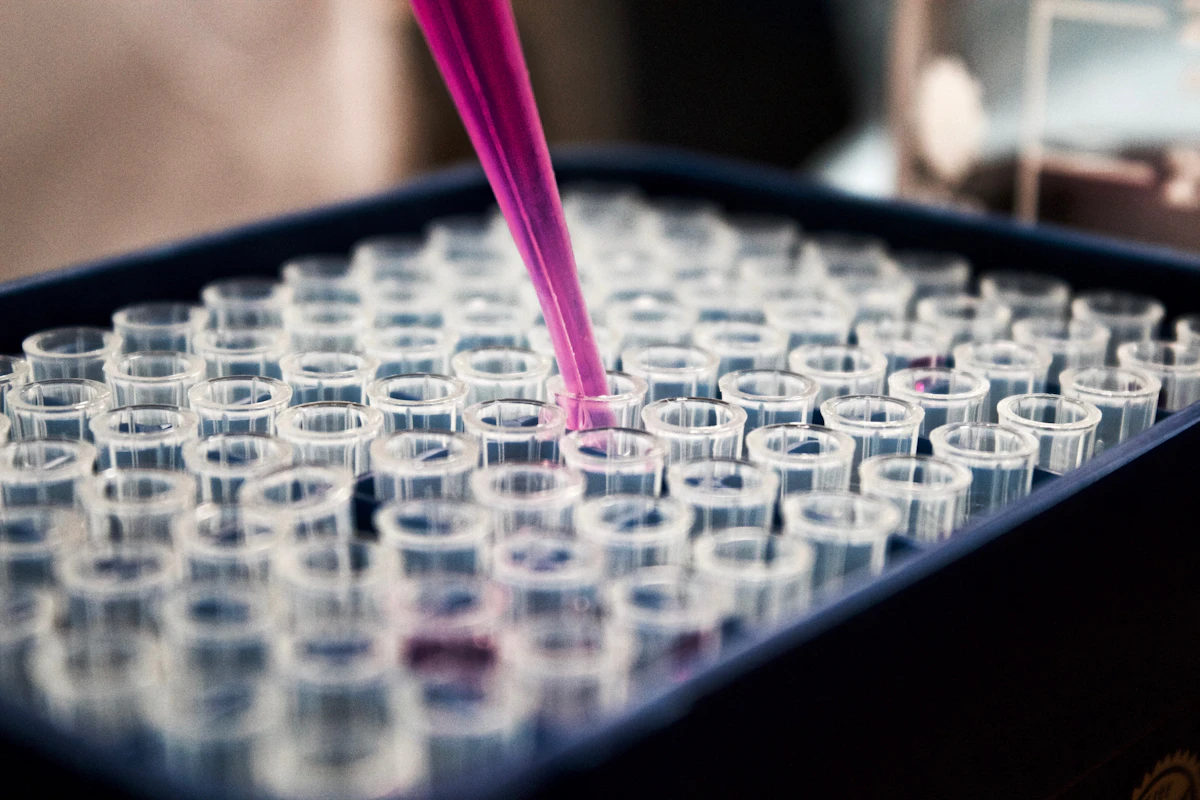
Figura representativa extraída de PubMed Central (PMC13476560)
Fuente oficial abierta: NCBI/PMC (PMC13476560)
Analytical Profiling of the Endocannabinoidome in Metabolic Dysfunction-Associated Steatohepatitis: Molecular Pathways and Sex-Dimorphic Translational Targets
Abstract
Metabolic dysfunction-associated steatohepatitis (MASH), formerly designated as non-alcoholic steatohepatitis (NASH), represents a leading cause of chronic liver disease worldwide. Central to its pathogenesis is the dysregulation of the endocannabinoid system (ECS) and the broader "endocannabinoidome" (eCBome), a complex lipid-signaling network comprising canonical endocannabinoids, such as N-arachidonoylethanolamine (anandamide, AEA) and 2-arachidonoylglycerol (2-AG), alongside non-cannabinoid N-acylethanolamines (NAEs) and monoacylglycerols (MAGs). Advances in high-sensitivity liquid chromatography-tandem mass spectrometry (LC-MS/MS) have illuminated the precise tissue dynamics of these bioactive lipids. Aberrant activation of hepatic cannabinoid receptor type 1 ($CB_1R$) promotes de novo lipogenesis, mitochondrial dysfunction, and fibrogenesis, whereas cannabinoid receptor type 2 ($CB_2R$) and peroxisome proliferator-activated receptor-alpha ($PPAR\alpha$) signaling exert hepatoprotective and anti-inflammatory effects. Crucially, mounting evidence underscores profound biological sex dimorphisms in eCBome regulation, heavily modulated by gonadal steroids. Estrogen suppresses hepatic $CB_1R$ expression and enhances fatty acid oxidation pathways, conferring relative protection to premenopausal females. This review synthesizes current analytical methodologies for eCBome quantification, dissects the molecular mechanisms driving MASH progression, and delineates sex-dimorphic therapeutic targets, emphasizing the necessity of sex-and-gender-based analysis (SGBA) in precision metabolic biomedicine.
Introduction & Cellular Mechanisms
Metabolic dysfunction-associated steatohepatitis (MASH) is characterized by hepatic triglyceride accumulation (steatosis), ballooning degeneration, lobular inflammation, and progressive pericentral fibrosis. Key to this pathological cascade is the disruption of lipid homeostasis, wherein the liver's metabolic capacity is overwhelmed by excess free fatty acids (FFAs). The endocannabinoid system (ECS)—comprising G-protein coupled receptors ($CB_1R$ and $CB_2R$), endogenous lipid ligands (AEA and 2-AG), and primary metabolic enzymes (fatty acid amide hydrolase [FAAH], monoacylglycerol lipase [MAGL], and N-acylphosphatidylethanolamine-specific phospholipase D [NAPE-PLD])—acts as a master metabolic regulator across central and peripheral tissues.
```
[ SREBP-1c / ChREBP ]
│
▼
[ AEA / 2-AG ] ──► [ CB₁R ] ──► [ ACC1 / FAS ] ──► Steatosis & Lipotoxicity
│
▼
[ ER Stress & ROS ] ──► Stellate Cell Activation ──► Fibrosis
```
In hepatocytes, aberrant activation of peripheral $CB_1R$ directly stimulates *de novo* lipogenesis through the transcriptional upregulation of sterol regulatory element-binding protein 1c ($SREBP-1c$), carbohydrate response element-binding protein ($ChREBP$), acetyl-CoA carboxylase 1 ($ACC1$), and fatty acid synthase ($FAS$). Concurrent $CB_1R$ signaling inhibits AMP-activated protein kinase ($AMPK$) phosphorylation, thereby suppressing mitochondrial $\beta$-oxidation through the down-regulation of carnitine palmitoyltransferase-1 ($CPT-1$). This metabolic shift triggers lipotoxicity, accumulating reactive oxygen species (ROS) and inducing endoplasmic reticulum (ER) stress.
At the multicellular level, lipotoxic hepatocytes release damage-associated molecular patterns (DAMPs) and inflammatory cytokines (e.g., $TNF-\alpha$, $IL-6$), which recruit hepatic macrophages (Kupffer cells) and activate quiescent hepatic stellate cells (HSCs). Activated HSCs undergo a phenotypic transdifferentiation into collagen-secreting myofibroblasts. $CB_1R$ signaling in HSCs promotes fibrogenesis, whereas $CB_2R$ activation on immune cells and hepatocytes drives anti-inflammatory, anti-steatotic, and pro-apoptotic responses in activated HSCs. Furthermore, endocannabinoid-like congeners such as $N$-oleoylethanolamine (OEA) and $N$-palmitoylethanolamine (PEA) exert counter-regulatory anti-inflammatory and lipolytic actions by activating $PPAR\alpha$ and transient receptor potential vanilloid 1 ($TRPV1$).
Due to the rapid enzymatic turnover, structural isomerism, and trace physiological concentrations of these lipid mediators, advanced mass spectrometry-based lipidomics—specifically targeted LC-MS/MS with isotope-dilution quantification—is essential for resolving local eCBome flux in liver tissue and biological fluids.
Sex-Dimorphic Regulation & Translational Implications
Biological sex represents a critical structural determinant in the susceptibility, progression, and therapeutic response of MASH. Sex-and-gender-based analysis (SGBA) demonstrates that premenopausal females exhibit a significantly lower prevalence of advanced hepatic steatosis and fibrosis compared to age-matched males, a dimorphism largely attenuated following menopause.
```
Premenopausal Females:
Estrogen (E₂/ERα) ──► Downregulates CB₁R ──► Upregulates PPARα (OEA/PEA) ──► Retained β-Oxidation
Postmenopausal / Males:
Lower E₂ / Higher Androgens ──► Elevated CB₁R ──► Upregulated SREBP-1c/FAS ──► Enhanced Lipogenesis & Fibrosis
```
1. Estrogen-Mediated Suppression of Hepatic $CB_1R$ Signaling
17$\beta$-Estradiol ($E_2$), acting predominantly through estrogen receptor alpha ($ER\alpha$), directly downregulates hepatic $CB_1R$ expression and its downstream lipogenic cascade. $E_2$ activity suppresses $SREBP-1c$ transcription and maintains $AMPK$ activation, counteracting $CB_1R$-mediated inhibition of fatty acid oxidation. Consequently, female livers demonstrate resilience against diet-induced hepatic steatosis. Loss of $E_2$ in postmenopausal states or ovariectomy models leads to a marked upregulation of $CB_1R$ density, shifting the metabolic phenotype toward accelerated lipogenesis and fibrogenesis.
2. Dimorphic Biosynthetic and Degradative Enzyme Expression
Sex-specific differences govern the expression and catalytic activity of key eCBome metabolic enzymes:
3. Precision Pharmacotherapy and Gender-Informed Clinical Trial Design
The dimorphic regulation of the eCBome necessitates sex-stratified approaches in translational drug development:
Conclusions & Clinical Outlook
The integration of high-resolution analytical lipidomics with molecular hepatology has established the eCBome as a pivotal mediator of MASH pathogenesis. $CB_1R$ overactivation drives a deleterious triad of hepatic steatosis, inflammation, and fibrogenesis, whereas $CB_2R$ and $PPAR\alpha$ signaling mechanisms afford tissue protection. Biological sex acts as a profound modifier of this network, with estrogenic signaling conferring protection against $CB_1R$-driven lipotoxicity.
Translating these insights into clinical practice requires two paradigm shifts: first, the routine deployment of validated LC-MS/MS platforms to map patient-specific eCBome signatures as diagnostic and prognostic biomarkers; second, the mandatory integration of sex as a biological variable (SABV) in preclinical and clinical testing of next-generation, peripherally restricted cannabinoid therapeutics. Dissecting the sex-specific molecular nodes of the endocannabinoidome will be fundamental to realizing precision biomedicine in metabolic liver diseases.
Key Insights
References
1. Tam, J., Cinar, R., Liu, J., Godlewski, G., Wesley, D., Jourdan, T., Szanda, G., Mukhopadhyay, B., Chedester, L., Li, A. L., & Kunos, G. (2012). Peripheral cannabinoid-1 receptor blockade improves cardiometabolic risk profile in mice with diet-induced obesity. *Journal of Clinical Investigation*, 122(9), 3303–3314. https://doi.org/10.1172/JCI63589
2. Mallat, A., Teixeira, C., & Lotersztajn, S. (2013). Cannabinoid signaling and liver therapeutics. *Journal of Hepatology*, 59(4), 891–896. https://doi.org/10.1016/j.jhep.2013.03.032
3. Silvestri, C., & Di Marzo, V. (2013). The endocannabinoidome in energy homeostasis and metabolic disorders: RNA and enzyme interactomes. *Nature Reviews Endocrinology*, 9(4), 236–248. https://doi.org/10.1038/nrendo.2013.23